We will also look at what causes alcohol allergies and review the differences between alcohol allergy and intolerance. To complicate matters, alcohol also blocks the production of diamine oxidase (DAO), an enzyme in our body that helps break down histamine. In other words, alcohol not only introduces more histamines into our system, but inhibits the enzyme that our body needs to help break it down. This is ultimately why we might find ourselves sneezing, itching or coughing more after having a drink. Before we look at the relationship between alcohol and allergies, it’s helpful to understand what exactly allergies are and what happens during an allergic reaction.
Don’t Let Your Next Happy Hour Be A Total Bummer: Check For Allergies Beforehand!
Wines that contain many allergens, such as fruits and yeast, are a rich source of histamine and are mainly responsible for sneezing attacks during drinking. Some individuals are sensitive to sulfites, and this sensitivity can manifest as respiratory symptoms like sneezing, wheezing, or a stuffy nose. This reaction is more common in people with asthma, where sulfites can trigger or worsen asthma attacks. Wine and other alcoholic beverages are generally not considered as potential allergens, so if you think you may have an allergy to wine, it is important to get a proper diagnosis. During the skin prick test, drops of wine are placed on the back of your forearm and the skin is pricked through the liquid.
- Recognizing sneezing as a potential, albeit minor, aspect of detox broadens our perspective on the withdrawal process and emphasizes the need for comprehensive care.
- Another contributing factor is histamine, a compound found naturally in some alcoholic beverages and released by the body.
- Our daily research-backed readings teach you the neuroscience of alcohol, and our in-app Toolkit provides the resources and activities you need to navigate each challenge.
Why do i sneeze when i drink alcohol?
This condition is characterized by the body reacting to certain foods or drinks with sneezing, runny nose, or nasal congestion. When alcohol comes into contact with the mucous membranes in the mouth and throat, it can trigger a response that leads alcohol and sneezing to sneezing. Identifying and avoiding trigger beverages is a first step; for example, clear spirits like vodka and gin generally contain less histamine and sulfites than red wine or beer. Opting for wines labeled “sulfite-free” might also reduce reactions for those sensitive to these preservatives. But not many people realize that there are many ingredients, additives, and preservatives within alcoholic beverages that can cause negative side effects.
Runny Nose And Alcohol Withdrawal: What’s The Link?
An alcohol allergy is a rare toxic reaction to alcohol that can be fatal in rare cases. Often, what people consider to be an alcohol allergy is, in fact, alcohol intolerance. Carbonated beverages often come with a punch of bubbles, and those bubbles can irritate the throat and nasal passages. When you mix carbonated drinks with alcohol, the combined effect can lead to sneezing.
- If you suspect you have alcohol intolerance, it is best to consult a healthcare professional for an accurate diagnosis and advice.
- That runny or stuffy nose you get if you’re intolerant to alcohol may feel and seem like allergies, but it’s not.
- «Alcohol may in some people aggregate skin conditions like urticaria (hives),» says Nurse Shaw.
- While sneezing after consuming alcohol is not typically a serious issue, understanding the underlying causes can help shed light on why it happens.
Throat Pain Due To Bacterial Laryngitis: Symptoms, Prevention, Treatment- Antibiotics
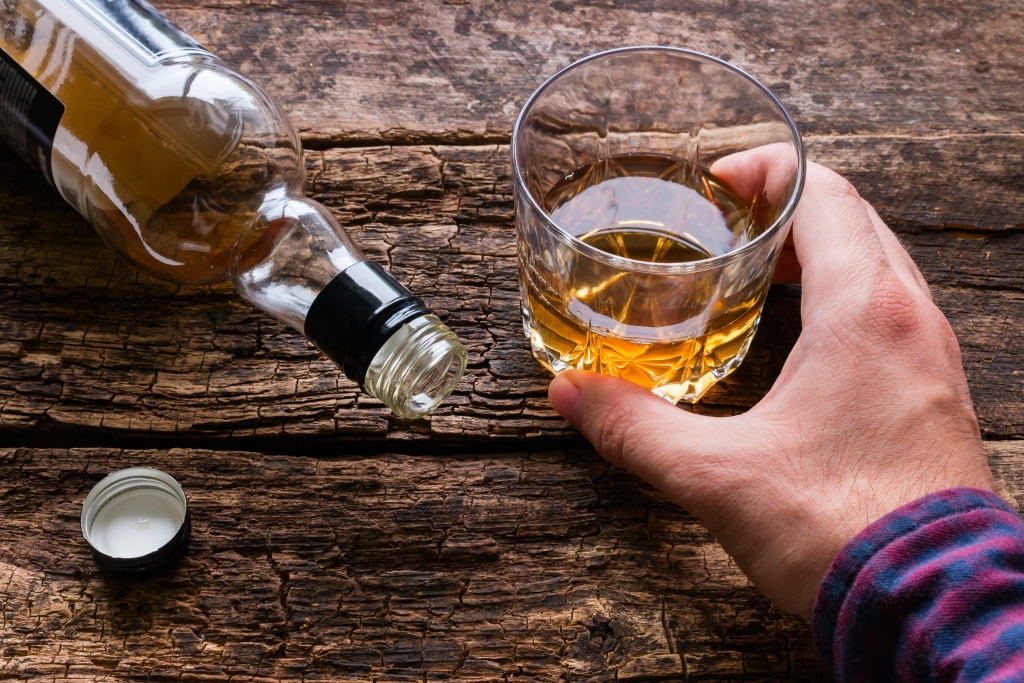
Alcohol itself can act as a direct irritant to nasal passages, leading to a condition known as vasomotor rhinitis. This non-allergic reaction occurs when blood vessels in the nose dilate, causing swelling, congestion, and increased mucus production, which can trigger sneezing. Not everyone will sneeze when consuming alcohol, but if you do, it’s worth considering your personal allergies. Some individuals may have underlying sensitivities to ingredients in all alcoholic beverages or alcoholism specific spirits, leading to reactions like sneezing. Keep a mental note of how each type of drink affects you, and don’t hesitate to consult with a healthcare professional if the sneezing becomes bothersome or excessively frequent. For instance, many people with alcohol intolerance have a deficiency in alcohol dehydrogenase (ADH), which is an important enzyme that breaks down alcohol’s toxic compounds.
- Over-the-counter antihistamines can help alleviate these symptoms by blocking the effects of histamine.
- One theory suggests that alcohol-induced sneezing may be related to nasal congestion.
- She is also an accomplished medical writer and editor, and was formerly a senior medical officer with the U.S.
- It’s best to monitor how your body responds to alcohol and avoid it if it worsens your symptoms.
- Opting for clear spirits and avoiding aged beverages can reduce the risk of histamine-related allergic reactions.
Why Does Red Wine Affect My Sinuses?
Symptoms of alcohol withdrawal typically begin within 6 to 24 hours of the last drink and can include anxiety, nervousness, an upset stomach, and heart palpitations. Mild symptoms often appear first, such as headaches, mild anxiety, and insomnia. In addition to histamine, sulfites can be found in wine and beer, which may also irritate allergies for some people. Alcohol is not the only category of food/drink that can affect allergies in this way. If this sound like you or someone you know, be sure to be mindful of foods like aged cheese, bread, and other fermented products like cider that can contain histamines as well.
Deja una respuesta